
The world of online gambling has undergone a significant transformation since 2020. Crypto casinos now represent a substantial segment of the digital gambling landscape, offering players a way to wager using Bitcoin, Ethereum, and dozens of other digital currencies. With global crypto users surpassing 500 million by 2026 and on-chain transaction fees dropping dramatically, these platforms have moved from niche curiosity to mainstream option. Online bitcoin casinos and other crypto gambling platforms often operate as offshore casinos, licensed by international jurisdictions like the Curacao Gaming Control Board and Anjouan Gaming Commission.
What drives this growth? Three factors stand out: speed, privacy, and global access. Unlike traditional online casinos that rely on bank transfers and card processors, crypto gambling sites enable deposits and withdrawals in minutes rather than days. Crypto payments allow for fast, secure, and private transactions, eliminating banking friction and supporting anonymous access. Many platforms operate with minimal identity requirements, appealing to players who value discretion. Anonymous bitcoin casinos are especially attractive to those seeking privacy and discretion in their gaming experience. And because blockchain networks don’t respect national borders, these casinos cater to players worldwide without intermediary banks blocking transactions. Crypto transactions are irreversible; mistakes like sending funds to the wrong address cannot be undone.
This article serves as an educational guide to understanding crypto casinos in 2026. We won’t promote individual platforms or give brand recommendations. Instead, you’ll learn how crypto gambling works, what distinguishes reputable crypto casinos from risky operations, and how to evaluate platforms for yourself. Before proceeding, check your local regulations—online gambling legality varies significantly by jurisdiction, and this content is informational only, not legal advice. Many crypto-native platforms lack formal arbitration processes, making fund recovery difficult in the event of a collapse.
Best Crypto Casinos: What “Best” Really Means in 2026
There is no single “best” crypto casino. The ideal platform depends entirely on what you prioritize: lightning-fast withdrawals, extensive game libraries, maximum privacy, mobile optimization, or generous bonuses. What makes the best crypto casinos stand out varies by category. The best bitcoin casinos and best crypto casino sites are platforms that combine features like instant withdrawals, high game variety, and privacy options, making them preferred choices for players seeking reliability, speed, and anonymity.
When evaluating top crypto casino sites, focus on these core criteria:
- Security and licensing: Look for SSL encryption, two-factor authentication, and licensing from established offshore jurisdictions
- Withdrawal speed: Leading bitcoin casinos process crypto withdrawals in 10-60 minutes under normal conditions
- Fairness mechanisms: Provably fair verification and third-party RNG audits
- Game variety: Robust libraries with thousands of titles across slots, table games, and live dealer options
- Bonus transparency: Clear wagering requirements, typically 30-50x, without hidden restrictions
- Customer support: 24/7 availability with responsive live chat; the best crypto casinos offer customer support that responds promptly to inquiries
Top bitcoin casinos and best crypto casino sites also prioritize player feedback and community reputation to ensure reliability.
Purpose-built blockchain casinos generally outperform traditional casinos that simply added BTC as an extra payment method. Why? Native crypto platforms integrate smart contracts for automated payouts, reducing human error by up to 95%. They often support non-custodial wallet connections, minimizing hack risks that plagued custodial platforms during the early 2020s when over $1 billion in user funds were lost industry-wide.
The best crypto casinos combine strong security, fast Bitcoin withdrawals, and real anonymous access, not just marketing claims.
Key Features of High-Quality Crypto Casinos
What separates established bitcoin casinos from questionable operations comes down to several concrete features.
Secure wallet infrastructure matters fundamentally. Top-tier platforms either offer secure custodial systems with industry-standard protections or support non-custodial connections via MetaMask or WalletConnect. Many crypto casinos now support 10+ assets with auto-conversion to fiat equivalents for players who prefer stability.
Transparent terms distinguish legitimate operations. Look for terms updated no more than quarterly, without retroactive changes that disadvantage active players. Bonus rules should clearly cap maximum bets at 1-5% of balance during rollover periods.
Multi-coin support has become standard. The best crypto gambling sites accept Bitcoin, Ethereum, Litecoin, stablecoins like USDT and USDC, and faster networks like Solana and TRON. This flexibility lets players optimize for speed, fees, or volatility preferences.
24/7 support with average response times under 2 minutes indicates operational maturity. Test support before depositing—ask specific questions about withdrawal limits or bonus terms.
Responsible gambling tools should include customizable deposit limits, loss caps, time-outs, and self-exclusion options. Some platforms now enforce these via on-chain tracking, making them harder to circumvent.
The top-tier crypto casino experience feels seamless: sign-up via wallet connect in under a minute, instant deposit credits after 1-3 confirmations, lag-free games with 99.9% uptime, and withdrawals processed without surprise delays or undisclosed restrictions.
What Are Crypto Casinos? (Full Breakdown)
Crypto casinos are online gambling platforms that use cryptocurrencies such as BTC, ETH, LTC, USDT, and others for deposits and withdrawals, wagering, and payouts instead of or alongside traditional fiat currencies. Players transfer assets directly from personal wallets to platform-generated addresses, wager in coin units or stablecoin equivalents, and withdraw winnings peer-to-peer without chargeback risks inherent in fiat systems.
Their proliferation between 2020 and 2026 aligned with significant blockchain developments. Ethereum’s fee reductions post-EIP-1559 in 2021 burned over 4 million ETH by 2026 to curb inflation. Solana’s throughput scaling to 65,000 transactions per second enabled high-frequency games like crash without delays. Layer-2 networks like Optimism, Arbitrum, Base, and Starknet cut transaction costs by 90-99% compared to mainnet, making micro-betting economically viable.
Most crypto casinos run offshore under licenses from jurisdictions like Curaçao, which issued over 450 iGaming licenses by 2025 with annual fees of €20,000-50,000 and required quarterly RNG audits. This contrasts sharply with state-licensed, fiat-only casinos bound by stricter geofencing, reporting requirements, and payment processing regulations. Traditional crypto casinos typically allow direct crypto deposits and withdrawals, while other models, such as crypto sweepstakes casinos, operate with virtual currencies and often emphasize legal compliance advantages.
The majority of crypto casinos operate under offshore licenses, which allows them to accept players from various jurisdictions, including the US.
How Crypto Casinos Differ from Traditional Online Casinos
The fundamental difference lies in payment rails. Traditional online casinos depend on bank cards, wire transfers, and payment processors, creating 3-7 day hold periods for withdrawals. Bitcoin casino sites and other crypto gambling platforms use blockchain-based deposits and withdrawals that settle in minutes.
Transaction speed represents the most noticeable improvement. Bitcoin confirmations average 10 minutes, Litecoin 2.5 minutes, and faster chains like Solana achieve sub-second finality. Compare this to bank transfers that can take business days.
Privacy requirements diverge significantly. Traditional casinos require full KYC (Know Your Customer) verification—government ID, proof of address, sometimes source-of-funds documentation. Many crypto casino sites allow registration with just an email or wallet connection, though verification may trigger for high-value activity.
Payout control shifts to players. With crypto transactions, you move funds between your personal wallet and the casino directly. No bank can freeze transfers, no card processor can reverse transactions. This eliminates chargebacks but also introduces irreversible transaction risks—if you mistype an address, those funds are gone. Historical error rates of 1-2% led to $100 million+ in lost funds annually before 2024 wallet UX improvements.
Key differences at a glance:
- Fiat casinos: 3-7 day withdrawals, full KYC required, bank/processor intermediaries
- Crypto casinos: Minutes-to-hours withdrawals, minimal or optional KYC, direct wallet transfers
- Fiat casinos: Chargeback protection for players, fraud risk for operators
- Crypto casinos: Irreversible transactions, no chargebacks, player-managed security
For crypto casinos USA players, it’s important to understand the legal and practical landscape. For American players, accessing offshore crypto casinos is generally considered a ‘gray market’ activity; it is not illegal for them to play. Many crypto casinos are licensed outside the US and operate as offshore platforms, which allows them to accept US players. However, US players are responsible for understanding their own state laws regarding online gambling. Most crypto casinos cater to international players and are not regulated by US authorities, but they remain widely used. Choosing reputable, well-licensed crypto casinos with strong security measures is especially important for US players.
The Role of Blockchain Technology
Blockchain underpins the entire crypto casino ecosystem through decentralized ledgers that record every transaction publicly and immutably. Whether using Bitcoin’s proof-of-work securing a $1.2 trillion market cap or Ethereum’s proof-of-stake post-2022 Merge (which slashed energy use by 99.95%), these networks enable transparent payments verifiable on explorers like Etherscan.
For crypto gambling sites, blockchain provides several operational advantages. Transparent payments mean every deposit appears publicly within seconds of confirmation—players and regulators can verify transaction legitimacy. Reduced fraud risk stems from cryptographic security; operators cannot fabricate or reverse transactions without network consensus.
Smart contracts automate processes that traditionally required manual intervention. Deployed on chains like Polygon for sub-cent fees, these contracts can trigger bonus crediting when wager thresholds are met, distribute jackpot pools automatically, or execute instant payouts without human approval. Some platforms integrate oracles like Chainlink for real-world randomness in game outcomes.
By 2024-2026, layer-2 adoption accelerated dramatically. Networks like Base and Starknet cut fees to approximately $0.01 while maintaining security via fraud proofs, facilitating mass adoption of blockchain-based gambling.
Custodial vs Non-Custodial Crypto Casino Models
Understanding custody models helps you assess risk at any crypto platform.
Custodial models hold user balances in platform-controlled hot wallets. You deposit crypto once, and the casino maintains an internal ledger showing your balance. This offers convenience—internal transactions happen instantly without gas fees, and the interface mimics traditional casino balance systems. The downside: your funds are exposed to platform-level hack risks. The 2022 Ronin bridge exploit that lost $625 million illustrated how custodial crypto holdings can disappear overnight.
Non-custodial models require wallet signatures per transaction via MetaMask, WalletConnect, or similar protocols. You retain full control with private keys never shared with the platform. Security improves dramatically since player-managed custody means platform breaches don’t directly drain your holdings. The trade-off: each transaction requires 5-30 second approval delays and incurs gas costs.
By 2025, hybrid approaches emerged blending both models—quick internal play with optional withdrawal to non-custodial wallets for storage. Custodial suits beginners seeking seamless UX; non-custodial appeals to experienced users prioritizing sovereignty over convenience.
What Is Provably Fair Gaming?
Provably fair games use cryptographic methods that let players independently verify each round’s outcome wasn’t manipulated. This transparency differentiates many crypto casino games from traditional RNG black boxes.
The typical setup works like this:
- Server seed: The casino generates a random seed and publishes its hash before you bet
- Client seed: You provide or receive a random seed that influences the outcome
- Nonce: A counter that increments with each bet, ensuring unique results
- Result calculation: The server seed, client seed, and nonce combine via HMAC-SHA512 to determine the outcome
- Verification: After the round, the casino reveals the unhashed server seed; you can recompute the hash to confirm it matches what was published pre-round
This system became standard in dice games (verifiable to 0.000001 precision), crash games (multiplier halt points provable), plinko (ball path deterministic from seeds), mines (grid reveals match hashed predictions), and simple card games.
Provably fair crypto casinos emerged around 2015 with early Bitcoin dice sites and achieved roughly 99% player trust scores versus 70% for traditional RNG-only platforms according to industry self-reports. Third-party verification tools now process millions of rounds daily, letting skeptical players confirm every bet independently.

No KYC and Low-KYC Crypto Casinos: How They Work
No-KYC crypto casinos allow registration and play with minimal identity data—often just an email address or even a direct wallet connection without any account creation. This appeals to privacy-focused players and enables anonymous play impossible at traditional casinos.
However, “no KYC” typically means “no upfront KYC.” Research indicates 60-80% of platforms trigger verification when withdrawals exceed €2,000-10,000 cumulative or when suspicious patterns emerge. Understanding these thresholds helps set realistic privacy expectations.
Typical Player Flow at a No-KYC Crypto Casino
The journey from first visit to first wager takes minimal time at most crypto casinos:
Step 1: Visit the platform and register with email only, or connect your crypto wallet directly. This typically takes 10-30 seconds.
Step 2: Enable two-factor authentication via an authenticator app. Skip this at your own risk—account security depends on it.
Step 3: Navigate to the cashier, select your deposit cryptocurrency, and scan the QR code or copy the deposit address. Send funds from your personal wallet.
Step 4: Wait for blockchain confirmations. Funds typically credit after 1 confirmation—often under 5 minutes on faster chains like TRON or Solana.
Step 5: Select games from the lobby. Provably fair originals, slots table games, live dealer options, and sports betting may all be available.
Step 6: Request withdrawals by entering your external wallet address and confirming via 2FA or email.
Many players go from registration to wagering in under 5 minutes. But even without KYC, you must manage security: strong unique passwords, secure wallet software, and private keys stored offline. Hardware wallets like Ledger reduce breach risks by approximately 99% versus browser extensions alone.
When and Why Verification Still Happens
Even at an anonymous crypto casino, certain triggers prompt KYC requests:
- Large cumulative withdrawals: Thresholds commonly range €2,000-10,000 total
- Multiple accounts from same IP/device: Flagged in 20-30% of detected cases
- High-velocity wins: Winning 50x your deposit within hours raises flags
- AML alerts: Chain analysis tools like Chainalysis track roughly 90% of illicit crypto flows; transactions from flagged wallets trigger scrutiny
When verification activates, platforms typically request passport or government ID scans, utility bills proving address, and sometimes source-of-funds affidavits explaining how you acquired your crypto. Review times range from 1-72 hours at licensed sites to satisfy FATF Travel Rule requirements for transfers over €1,000.
Genuine kyc crypto casinos and kyc casinos use these checks to comply with anti-money-laundering rules, protecting both operators and players from association with illicit funds.
Choosing Between Full-KYC and No-KYC Casinos
The trade-off centers on privacy versus recourse.
No-KYC advantages:
- Faster registration and play
- Greater anonymity until thresholds trigger
- No document submission for casual players
No-KYC disadvantages:
- Limited dispute escalation options
- Less regulatory oversight
- Potential sudden account restrictions
Full-KYC advantages:
- Clearer recourse through license arbiters
- Documented relationship with operator
- Generally higher withdrawal limits
Full-KYC disadvantages:
- Identity documents on file
- Slower onboarding process
- Privacy completely eliminated
Privacy-focused readers should prioritize licensed platforms with clear terms and provably fair verification even if choosing no-KYC options. Forum aggregates suggest 85% payout reliability at licensed no-KYC sites. Higher-stakes or long-term players often prefer verified relationships amid stricter FATF enforcement in 2026.
Legal and Regulatory Landscape for Crypto Casinos
Offshore crypto casinos typically operate from jurisdictions like Curaçao, Anjouan, or similar licensing authorities outside players’ home countries. These offshore casinos provide some oversight—annual fees, periodic audits, dispute resolution mechanisms—but regulation differs substantially from highly controlled markets.
The legal status of online gambling varies widely by country, region, and sometimes individual states. In the United States, regulation remains particularly complex and evolving. Federal law like UIGEA prohibits operators from accepting unlawful payments, including cryptocurrency, while the Wire Act’s interpretations have fluctuated since 2018 reversal broadened its scope beyond sports betting.
Important: Nothing in this section constitutes legal advice. Consult local law or a legal professional if uncertain about your jurisdiction’s stance on crypto gambling.
How Online Gambling Laws Interact with Crypto Use
Gambling laws typically regulate the betting activity itself, not just the payment method. Using cryptocurrencies does not automatically change whether online gambling is legal where you live. A jurisdiction that prohibits online casinos prohibits them regardless of whether you deposit with credit cards or Bitcoin.
Different regulatory approaches exist globally:
- Operator licensing focus: Some countries require gambling platforms to hold domestic licenses, effectively banning unlicensed offshore operations
- Access restrictions: Others block gambling domains or restrict payment processing rather than criminalizing individual play
- Payment targeting: Regulations like UIGEA focus on financial institutions processing gambling transactions
The 2020-2026 period saw increased attention to AML requirements and crypto tracking. The GENIUS Act (2025) mandated licensing for stablecoin issuance and redemption with AML/KYC requirements, impacting fiat-to-crypto on-ramps though not pure wallet deposits from external sources.
Player Responsibility and Risk Awareness
Players bear responsibility for understanding their local legal environment before using any bitcoin gambling sites or crypto platforms. Regulatory landscapes shift rapidly, particularly in crypto-focused jurisdictions.
Practical recommendations:
- Research current regulations before depositing, not after
- Avoid using VPNs to bypass geo-blocks without considering legal and account risks, including potential fund confiscation (10-20% of offshore platforms ban VPN users when detected)
- Keep detailed records of deposits and withdrawals including transaction IDs (TXIDs)
- Understand that crypto winnings may qualify as taxable income in your jurisdiction—the IRS treats crypto as property, creating potential capital gains implications
New legislation continues emerging. OBBBA (July 2025) raised W-2G reporting thresholds to $2,000 from $600 for 2026 while limiting loss deductions to 90% of winnings, potentially creating phantom income scenarios on break-even results.
Cryptocurrencies Used at Crypto Casinos
The crypto casino ecosystem supports diverse digital currencies, each with distinct characteristics for gambling use cases. By 2026, most platforms accept multiple coins, letting players balance speed, fees, and volatility according to their preferences.
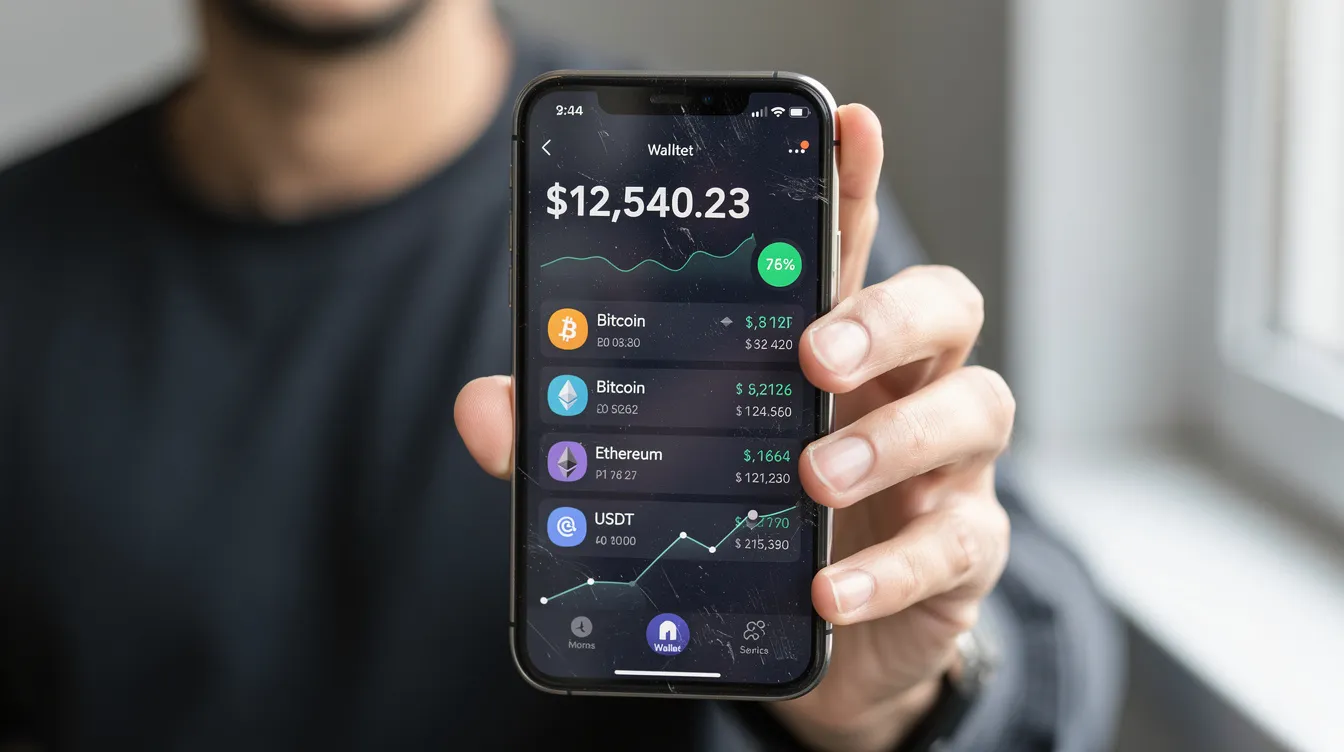
Common options include:
- Bitcoin (BTC): Approximately 95% acceptance, 10-minute confirmations, fees of $1-5 during normal periods
- Ethereum and Layer-2s: Gas costs of $0.01-1 post-Dencun 2024 upgrade on L2s
- Litecoin (LTC): 2.5-minute blocks, sub-$0.50 fees
- Stablecoins (USDT, USDC): TRC-20 or ERC-20 variants, instant on fast chains, pegged 1:1 to USD
- Solana (SOL): 0.4-second finality, $0.00025 fees, 65,000 TPS capacity
- TRON (TRX): 3-second blocks, dominant for USDT transfers at 50%+ volume
Bitcoin vs Altcoins vs Stablecoins
Bitcoin offers the highest acceptance rate and strongest security guarantees. However, network congestion during market activity can slow confirmations and spike fees to $20+ temporarily. Many bitcoin casinos credit deposits after just 1-3 confirmations for practical speed while recommending full 6-confirmation security for large amounts.
Altcoins like Litecoin, Dogecoin, or Solana-type tokens provide faster confirmations and lower fees, making them practical for frequent crypto deposits and withdrawals. Active players processing multiple transactions daily often prefer these networks.
Stablecoins like USDT and USDC pegged to the US dollar minimize volatility—critical when Bitcoin can swing 50% during volatile periods like 2025 market cycles. By 2026, approximately 80% of daily crypto casino volume shifted to stablecoins as players sought to track real-world winnings and losses without price exposure.
Choosing the Right Coin for Gambling
Practical guidance depends on experience level and use case:
Beginners: Start with Bitcoin or a widely supported stablecoin like USDC. Minimum deposits typically range $10-50, and broad acceptance means fewer compatibility issues.
Active players: Optimize around low-fee networks. Litecoin, TRON-based USDT, or Solana minimize transaction costs for frequent deposits and withdrawals.
Large transfers: Bitcoin or Ethereum provide stronger security guarantees for $10,000+ movements despite higher fees.
Always verify network compatibility before sending funds. Mixing ERC-20 (Ethereum network) with TRC-20 (TRON network) for USDT causes permanent fund loss—2026 wallet improvements added warnings, but the responsibility remains yours. Check each casino’s banking page for supported networks, minimum thresholds, and required confirmations before your first deposit.
Popular Crypto Casino Games in 2026
Game variety at crypto casinos expanded dramatically between 2020 and 2026, with libraries now exceeding 20,000 titles across multiple categories. The main offerings span crypto casino slots, classic table games, live casino games, and crypto-native originals built specifically for blockchain users.
Many crypto casino sites blend conventional RNG games from established studios with provably fair in-house titles. This combination appeals to players seeking both traditional casino experiences and the transparency unique to blockchain gambling.
Crypto Slots
Slots dominate crypto casino lobbies, typically comprising 70% of available games. Their appeal stems from simple gameplay, fast rounds, and compatibility with free spins bonuses and crypto casino free spins promotions.
Modern slot mechanics common by 2026 include:
- Bonus buy features: Skip to bonus rounds for 100x bet
- Expanding reels: Dynamic grid sizes during features
- Cluster pays: Wins from grouped symbols rather than paylines
- Megaways variants: Thousands of potential win combinations
- Massive max wins: Some reaching 50,000x+ stake potential
Volatility choices matter significantly. Low-volatility slots suit extended sessions of 1,000+ spins with frequent small returns. High-volatility options offer rarer but larger hits, sometimes 1:1000+ odds for maximum payouts.
Before wagering heavily on any slot, check the RTP (return to player) percentage—typically 94-98% at reputable platforms—and understand the game rules and paytable.
Crash, Plinko, Dice, and Other Crypto-Native Games
Crash crypto casinos popularized a format now ubiquitous: a multiplier line rises from 1x until a random “crash” point. Players must cash out before the crash to lock in returns. Fast, high-risk, and almost always provably fair, crash games appeal to players who enjoy verifiable outcomes and quick resolution.
Other crypto-native formats include:
- Plinko: Ball drops through pegged boards yielding 0.5-1000x multipliers with deterministic, verifiable paths
- Dice: Simple over/under predictions with 98.5%+ RTP and provable outcomes to 0.000001 precision
- Mines: Grid-based risk/reward gameplay with 1-5% house edges
- Hi-Lo cards: Predict higher or lower with verifiable shuffles
These bitcoin casino games attract experienced crypto users who prefer minimalistic interfaces, low house edges, and the ability to verify every result using seeds and hashes. Start with low stakes while learning risk curves—high variance can deplete bankrolls quickly.
Table Games and Live Dealer Play
Standard table games offerings include blackjack (up to 99.5% RTP with optimal strategy), roulette, baccarat, poker variants, and game-show formats. These provide familiar experiences for players transitioning from traditional casinos.
Crypto live dealer casinos stream real-time dealers from studios, offering social chat features and visual trust for players skeptical of RNG-only outcomes. HD streams with 0.1-1 second latency, betting limits from $1 to $10,000+, and professional dealers create an immersive experience.
For enjoyable live dealer games, stable internet connections matter. Check that the platform displays clear betting limits and rules. Note that many bonuses either exclude live dealer play entirely or count it at reduced wagering contribution (often 10-20% versus 100% for slots)—always verify terms before playing.
Bonuses and Promotions at Crypto Casinos
Crypto casino bonuses often feature eye-catching percentages—sometimes several hundred percent match rates—but the real value depends entirely on attached restrictions. Understanding bonus structures helps you identify genuinely valuable offers versus marketing traps.
Main categories include:
- Welcome/deposit-match bonuses: Percentage matches on initial deposits
- No-deposit offers: Small amounts or 50 free spins granted at registration
- Reload bonuses: Ongoing deposit matches for existing players
- Cashback: Percentage of losses returned, sometimes wager-free
- VIP/loyalty programs: Tiered rewards including rakeback, higher limits, and personal managers
Welcome Bonuses and No Deposit Offers
Welcome packages at crypto casinos in 2026 typically span multiple deposits with cumulative percentages. A common structure might offer 100-500% match up to 5 BTC equivalent spread across first four deposits, plus batches of crypto casino free spins.
A deposit bonus example: Deposit 1 BTC, receive 3 BTC bonus at 300% match with 40x wagering. That means betting through 160 BTC equivalent volume before withdrawal.
No-deposit bonuses grant small crypto amounts (10-50 USDT) or 20+ free spins simply for registering. Expect stricter restrictions: 60x+ wagering requirements, $100 maximum cashout caps, and limited game eligibility. These offers work best for testing platforms before committing real funds.
Achievable wagering sits around 35-45x. Bonuses exceeding 50-60x become mathematically difficult to clear profitably for most players.
Reload, Cashback, and Loyalty Programs
Crypto reload bonuses provide recurring percentage matches—often 20-50%—on deposits after the welcome package expires. These frequently tie to specific days (weekly reload Fridays) or promotional events.
Cashback returns a percentage of net losses over defined periods. Daily or weekly cashback of 5-20% reduces effective losses, and some platforms offer wager-free cashback that’s immediately withdrawable.
VIP structures reward volume through tiers offering:
- Rakeback percentages (0.5-2% of wagered amounts returned)
- Increased withdrawal limits ($50,000+/day at top tiers)
- Faster processing times
- Personal account managers
- Custom promotions and crypto casino promo codes
Seek transparent VIP rules with published tier requirements rather than vague promises. Avoid chasing VIP status at the expense of responsible bankroll management.
Understanding Wagering Requirements and Fine Print
Wagering requirements define how many times bonus funds must be bet before withdrawal eligibility. The math matters:
Example: 1,000 USDT bonus at 35x wagering = 35,000 USDT in qualifying bets required
Game contribution varies by category:
- Slots: Usually 100% contribution
- Table games: Often 10-20% contribution
- Live dealer: Sometimes 10% or excluded entirely
Playing blackjack with a bonus that counts tables at 10% means you’d need 350,000 USDT in bets to clear that same 35x requirement—effectively impossible.
Common traps to avoid:
- Terms changing after deposit without notice
- Hidden maximum cashout limits (win $10,000 but can only withdraw $500)
- Overly restrictive game lists excluding popular titles
- Maximum bet caps of $5 during rollover (bet $6 and forfeit the bonus)
Keep screenshots of bonus terms when claiming offers. If restrictions seem confusing or excessive, skip the bonus entirely—playing without restrictions often provides better expected value than chasing poorly structured promotions.
Banking at Crypto Casinos: Deposits, Withdrawals, and Wallets
The payment flow at crypto gambling sites runs from acquiring cryptocurrency, sending it to the casino, playing, and withdrawing winnings back to your personal wallet. Unlike bank transfers that involve intermediaries, crypto deposits and withdrawals move peer-to-peer on blockchain networks. Crypto payments eliminate intermediaries, significantly reducing transaction costs for both players and operators.
Lower transaction fees are a significant advantage of crypto casinos, as they typically incur fewer costs compared to traditional payment methods, allowing players to retain more of their winnings.
Crypto transactions are typically irreversible. Address accuracy and security practices become critically important—sending to a wrong address means permanent loss with no chargeback protection.
How Crypto Deposits Work in Practice
The deposit process follows consistent steps across platforms:
- Log into the casino and navigate to the cashier/deposit section
- Select your cryptocurrency (BTC, ETH, USDT, etc.)
- Generate a unique deposit address or QR code for that coin
- Open your personal wallet and initiate a transfer to that address
- Wait for blockchain confirmations
Funds appear after required confirmations—typically 1-3 for Bitcoin, often instant for faster chains. Many bitcoin casino sites auto-convert deposits into internal balances denominated in either coin units or fiat equivalents (USD display).
Critical warning: Always verify the network matches. Sending ERC-20 USDT to a TRC-20 address results in permanent loss. Double-check the network selection in both your wallet and the casino cashier.
Withdrawals, Speeds, and Limits
Withdrawal steps mirror deposits in reverse:
- Navigate to the cashier withdrawal section
- Select your cryptocurrency and enter the amount
- Input your external wallet address (copy/paste or scan QR)
- Confirm via 2FA or email verification
- Wait for processing and blockchain confirmation
Reputable platforms offering crypto casino instant withdrawal capabilities process requests within minutes to a few hours. Factors affecting speed include manual security reviews for large amounts, network congestion, and daily processing batches at some sites.
Daily and weekly withdrawal caps vary by platform and VIP tier. Base limits might cap at $5,000-10,000 daily, while top-tier VIP players at bitcoin VIP casinos access $50,000-100,000+ limits.
Request a test withdrawal early with a small amount. A quick, problem-free payout signals reliability; repeated unexplained delays are major red flags.
Fees, Network Conditions, and Minimums
Two fee types affect crypto withdrawals:
- Network fees: Paid to miners/validators for processing transactions on-chain
- Casino fees: Platform charges per withdrawal (often 0-1%, sometimes waived for VIP players)
Network congestion dramatically affects costs, particularly on Bitcoin and Ethereum mainnets. During 2021 peak periods, Bitcoin fees exceeded $50; by 2025, layer-2 solutions reduced routine costs to under $1. Solana and TRON maintain sub-cent fees regardless of congestion.
Minimum deposits typically range $10-50 depending on coin and platform. Low minimums help casual players; higher minimums may apply to certain promotional offers.
Review each casino’s banking page before depositing to understand current fee structures and limits.
Wallet Basics and Security
Your crypto wallet management directly impacts gambling security.
Hot wallets (mobile, desktop, browser-based) offer convenience for active play. Keep only your gambling bankroll in hot wallets—amounts you’re prepared to lose.
Cold wallets (hardware devices, offline solutions) provide maximum security for savings. Never store funds you can’t afford to lose in browser extensions.
Security fundamentals:
- Never share private keys or seed phrases with any casino, support agent, or website
- Enable two-factor authentication on casino accounts, email, and wallet applications
- Use unique, strong passwords for each platform
- Store seed phrases offline in secure physical locations
These practices prevented most individual losses during the $500 million+ in hot wallet hacks affecting the industry in the early 2020s.

How to Choose a Safe and Reliable Crypto Casino
Identifying legit crypto casinos requires systematic evaluation rather than trusting flashy marketing. Choosing a trusted bitcoin casino is essential for a secure gambling experience, as these platforms are known for reliability, transparency, consistent payouts, fast transactions, and strong customer support. Strong bonuses and polished websites don’t guarantee safety or fair treatment. Users are responsible for the security of their private keys, and loss can lead to permanent loss of funds.
Start with this practical checklist:
- Clear licensing information with verifiable details
- Multi-year operational history with consistent payout reputation
- Provably fair games or third-party RNG certification
- Transparent banking terms (fees, limits, processing times)
- Responsive 24/7 customer support
- Responsible gambling tools and self-exclusion options
Always research across multiple independent sources—player forums, crypto casino reviews, and community feedback—rather than relying on single affiliate lists that may prioritize commission over accuracy.
Licensing, Reputation, and Transparency
Offshore licenses from jurisdictions like Curaçao provide baseline oversight: required audits, dispute resolution mechanisms, and operational standards. However, these differ substantially from highly regulated markets and offer less consumer protection.
When evaluating new crypto casinos or established platforms:
- Look for clearly listed license numbers verifiable on issuing authority websites
- Check for ownership/operator information (hidden ownership raises concerns)
- Find terms and conditions easily—if they’re buried or unclear, consider it a warning sign
- Review user feedback trends over several years when possible
Avoid hype-based operations common in the 2020-2026 crypto era. Claims of celebrity endorsement (like “elon musk crypto casino” marketing), guaranteed returns, or unrealistic bonus structures often signal scam operations. Performing security verification of any platform’s claims before depositing protects your funds.
Security, Fairness, and Technical Reliability
Technical protections distinguish serious platforms:
- SSL encryption: Browser padlock icon indicating encrypted connections
- 2FA requirement: Mandatory two-factor authentication for withdrawals
- Secure password handling: No plaintext storage, proper hashing
Fairness verification comes through provably fair tools for in-house games and independent RNG certifications (iTech Labs, eCOGRA) for third-party slots and table games.
Uptime and stability matter for uninterrupted play. Professional platforms maintain 99.99% availability, provide advance notice of scheduled maintenance, and offer status pages during issues. Test sites on both desktop and mobile to check loading speeds, game performance, and cashier functionality.
Customer Support and Community Feedback
Responsive support becomes critical when dealing with irreversible crypto transactions. Look for:
- 24/7 live chat availability
- Average response times under 5 minutes
- Knowledgeable agents who can address technical and terms-related questions
- Clear escalation paths for unresolved issues
Test support before depositing by asking specific questions about withdrawal limits or bonus restrictions. Vague or dismissive responses indicate potential problems.
Active communities on forums or social channels can signal platform health, but cross-reference with independent sources. Patterns of ignored support tickets, unexplained withdrawal delays, or frequently locked accounts without clear justification should disqualify any platform from consideration.
Responsible Gambling with Crypto
Crypto’s 24/7 availability and instant transactions can amplify gambling risks. The speed that makes crypto casino apps convenient also enables rapid loss-chasing and impulsive decisions.
Always think in fiat-equivalent terms—tracking bets as “0.01 BTC” obscures real-world impact when that represents $500+ in purchasing power. Most crypto casinos now offer responsible gambling tools:
- Deposit limits (daily, weekly, monthly caps)
- Loss limits preventing continued play after set amounts
- Session time limits and reality checks
- Cooling-off periods and self-exclusion options
- Links to professional help organizations
These tools exist because operators recognize problem gambling risks. Use them proactively rather than reactively.
Managing Volatility and Bankroll
Price volatility adds complexity unique to crypto gambling. Winning 1 BTC when it’s worth $50,000, then withdrawing when it’s worth $35,000, means your actual winnings dropped 30% through no gambling decision.
Bankroll strategies for crypto gambling:
- Use stablecoins for day-to-day play to eliminate price exposure
- Set fixed session budgets in fiat terms before starting
- Withdraw profits regularly rather than leaving growing balances on-site
- Never gamble with funds needed for living expenses or financial obligations
- Stake only 1-5% of gambling bankroll per bet to survive variance
Set hard loss limits before each session and stick to them absolutely. If you reach your limit, stop—the games will be there tomorrow.
Warning Signs and Getting Help
Problem gambling behaviors to recognize:
- Hiding gambling activity from family or friends
- Chasing losses with increasingly larger bets
- Borrowing money to gamble
- Neglecting work, relationships, or responsibilities
- Feeling unable to stop despite wanting to
Anonymity in crypto gambling doesn’t reduce real-world consequences. Lost funds affect your life regardless of whether a casino knew your identity.
If you recognize these patterns, seek help from professional counseling services or organizations like Gamblers Anonymous. Many jurisdictions offer confidential helplines and resources.
The fundamental rule: Only gamble what you can afford to lose completely. Treat crypto casinos as entertainment, not income generation or investment strategy.
Step-by-Step: How to Start Playing at a Crypto Casino
This walkthrough covers the practical journey from zero experience to making your first safe withdrawal at solana crypto casinos, bitcoin casino sites, or other crypto platforms.
1. Research and Select a Platform
Build a shortlist of 5-10 candidates based on:
- Licensing visibility and verification
- User feedback consistency over 2+ years
- Game selection matching your interests
- Clear banking documentation (fees, limits, supported coins)
Eliminate platforms with:
- Unclear ownership or missing license information
- “Guaranteed win” or unrealistic return language
- Fake celebrity endorsements
- Hidden or constantly changing terms
Many crypto casino sites clearly document requirements before registration. If you can’t find fee structures or withdrawal limits, consider that a warning sign.
Confirm that accessing online gambling platforms is legal from your location before proceeding.
2. Set Up and Secure Your Crypto Wallet
Choose a reputable wallet compatible with your selected coins. Popular options include well-known mobile wallets for convenience or hardware wallets for maximum security.
During setup:
- Generate your wallet and receive a seed phrase (12-24 words)
- Store seed phrase offline in a secure physical location—never in email, cloud storage, or notes apps
- Enable all available security options: PIN, biometric lock, 2FA
Practice with test transactions between personal wallets to build familiarity. Send a small amount from one wallet to another before involving casinos.
3. Acquire Crypto and Make a Test Deposit
Obtain cryptocurrency through regulated exchanges, peer-to-peer platforms, or broker services. Stay within your planned gambling budget—start small.
For your first casino deposit:
- Select an amount sufficient to test the platform but not a significant portion of savings ($20-50 works for most)
- In the casino cashier, generate your deposit address
- Double-check the network matches your sending wallet
- Copy/paste the address (don’t type manually) or scan QR code
- Confirm the transaction in your wallet
Wait for blockchain confirmations and verify the balance appears correctly before playing.
4. Play Responsibly and Test Withdrawals Early
Start with low stakes on simple games—or demo versions when available—to understand mechanics without significant risk.
Request a small withdrawal as soon as feasible. This test confirms:
- The platform processes withdrawals as advertised
- Your wallet address works correctly
- Processing times match stated expectations
A quick, problem-free withdrawal is a strong positive signal. Many crypto casinos ranked highly by users demonstrate reliable payout patterns verified through early testing.
If withdrawal tests fail or support cannot clearly explain delays, reconsider playing further and consider the funds at risk.
5. Long-Term Use, Record-Keeping, and Taxes
Maintain detailed records of all gambling activity:
- Deposit dates, amounts, and TXIDs (transaction IDs)
- Withdrawal dates, amounts, and TXIDs
- Win/loss tracking by session
- Bonus claims and clearance status
Many jurisdictions treat gambling winnings as taxable income, and crypto transactions may trigger additional capital gains considerations. Rules vary widely—OBBBA 2025 changes limit US loss deductions to 90% of winnings, for example.
Consult local tax guidance or professionals if you gamble regularly or at high stakes. Organized records support both responsible gambling awareness and legal compliance.
Final Thoughts on Crypto Casinos in 2026
Crypto casinos offer genuine advantages: speed that reduces days-long waits to minutes, global access without banking intermediaries, flexible coin options, and innovative provably fair games that provide transparency impossible in traditional formats. Many crypto casinos now deliver experiences matching or exceeding what traditional online casinos offered.
But risks remain substantial. Legal uncertainty persists in many regions. Volatility can erode winnings between deposit and withdrawal. Anonymity reduces recourse when disputes arise. And the speed enabling convenient play also enables rapid, impulsive losses.
The sensible approach combines research, caution, and self-awareness. Start with small amounts at licensed platforms offering transparent terms. Test instant withdrawals before committing significant funds. Use stablecoins to manage price volatility. Set firm limits and treat gambling as entertainment expense, not income opportunity.
Crypto gambling represents a fast, modern alternative to traditional casinos—but it remains high-risk entertainment, not a reliable financial strategy. Approach it informed, play responsibly, and never stake more than you can afford to lose completely.
Offshore Crypto Casinos: Opportunities and Risks
Offshore crypto casinos have become a major force in the online gambling world, offering players access to a vast selection of games, attractive crypto casino bonuses, and the convenience of fast, borderless transactions. Many reputable crypto casinos operate under offshore licenses, allowing them to serve international audiences and provide features that may not be available at locally regulated sites. These bitcoin casinos often stand out for their generous welcome packages, ongoing promotions, and the ability to process withdrawals in minutes rather than days.
However, the offshore model comes with its own set of risks. The lack of strict regulatory oversight means that not all offshore crypto casinos adhere to the same standards of fairness and security. While many platforms are trustworthy, some may engage in questionable practices or even scams. To protect yourself, it’s crucial to conduct thorough research before depositing any funds. Reading independent crypto casino reviews, verifying licensing information, and checking for a history of timely payouts can help you identify reputable crypto casinos. Always prioritize platforms with transparent terms and a proven track record to minimize the risks associated with offshore crypto casinos.
Crypto Casino Community: Social Play and Player Networks
The crypto casino community is more than just a collection of individual players—it’s a dynamic, interactive network where enthusiasts connect, share, and compete. Many crypto casinos foster this sense of community by offering dedicated chat rooms, active forums, and social media groups where players can exchange tips, discuss strategies, and celebrate big wins together. These spaces are invaluable for both newcomers seeking advice and experienced players looking to stay updated on the latest trends.
Social features are increasingly integrated into the gaming experience itself. Live dealer games and multiplayer tables allow players to interact in real time, bringing the excitement and camaraderie of a physical casino to the digital world. Tournaments and leaderboard competitions add an extra layer of engagement, encouraging friendly rivalry and rewarding top performers. Additionally, many crypto casinos offer referral programs and loyalty schemes, giving players incentives to invite friends and remain active within the community. This vibrant social ecosystem not only enhances entertainment but also helps players make informed decisions and get the most out of their gaming experience.
Crypto Casino Trends: What’s Shaping the Future?
The landscape of crypto gambling is rapidly evolving, driven by technological innovation and changing player preferences. One of the most influential trends is the widespread adoption of provably fair games, which leverage blockchain technology to guarantee transparency and allow players to independently verify every outcome. This shift has significantly increased trust in crypto casino sites and set a new standard for fairness in online gambling.
Live dealer games are also gaining momentum, offering an immersive, interactive experience that closely replicates the atmosphere of traditional casinos. The rise of mobile gaming is another key trend, with many crypto casinos optimizing their platforms for smartphones and tablets to meet the demands of players who prefer gaming on the go. The introduction of new cryptocurrencies, such as Solana, is expanding the range of payment options and enabling faster, more cost-effective transactions. As the industry continues to innovate, players can expect even more advanced features, enhanced security, and a broader selection of games at the best crypto casinos.
Crypto Casino News: Recent Developments and Industry Updates
Staying informed about the latest developments is essential for anyone involved in crypto gambling. In recent months, many crypto casinos have embraced provably fair games, making transparency and player trust a top priority. Regulatory changes are also shaping the industry, with some jurisdictions updating their laws to address the unique challenges and opportunities presented by crypto gambling. The emergence of new cryptocurrencies like Solana has introduced faster and cheaper transactions, prompting many crypto casinos to expand their supported payment options.
Game libraries are growing as well, with top crypto casinos regularly adding new titles and innovative features to attract and retain players. To keep up with these changes, players are encouraged to read up-to-date crypto casino reviews, participate in online forums, and follow industry news sources. By staying connected to the community and monitoring the latest trends, you can make more informed choices and take advantage of new opportunities as they arise.
Crypto Casino FAQ
Q: What is a crypto casino?A: A crypto casino is an online gambling platform that accepts cryptocurrencies—such as Bitcoin, Ethereum, or Solana—for deposits, wagers, and withdrawals. These sites often offer unique features like provably fair games, instant payouts, and exclusive bonuses such as free spins.
Q: Are crypto casinos safe?A: Reputable crypto casinos are generally safe, especially those with strong security measures and positive crypto casino reviews. However, it’s important to perform security verification before depositing funds and to choose trusted bitcoin casinos with a proven track record.
Q: What are provably fair games?A: Provably fair games use blockchain technology to ensure every game result is transparent and verifiable. Players can independently check the fairness of each round, making these games a popular choice at many crypto casinos.
Q: Can I play anonymously at a crypto casino?A: Yes, many crypto casinos offer anonymous play, allowing you to register and play with minimal personal information. However, you may need to provide identification for larger withdrawals or to access certain features, as part of performing security verification.
Q: What is a welcome bonus?A: A welcome bonus is a promotional offer for new players, typically including a deposit bonus or free spins. These bonuses are designed to give you extra value when you make your first deposit at a bitcoin casino.
Q: How do I deposit and withdraw funds at a crypto casino?A: You can deposit and withdraw using various cryptocurrencies. Many crypto casinos offer instant payouts and fast transactions, making it easy to move funds between your crypto wallet and the casino.
Q: Are crypto casinos regulated?A: Some crypto casinos are regulated by offshore authorities, but the industry as a whole is less regulated than traditional online gambling. Always check for licensing and read crypto casino reviews to ensure you’re playing at a reputable site.
Q: Can I play at a crypto casino if I’m from the USA?A: Yes, many crypto casinos cater to USA players. However, it’s important to understand the laws and regulations governing online gambling in your jurisdiction before playing. Always prioritize responsible gambling and ensure you’re complying with local rules.